Welfare
Even Superheroes Need Rest
Why Working Dogs Need Balance and Recovery
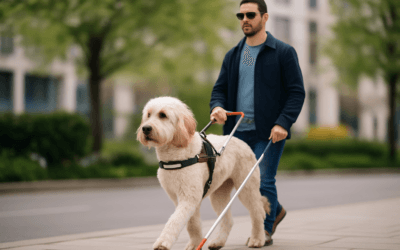
We see them every day: quiet heroes in canine bodies. They guide blind people through busy cities, help people with disabilities perform everyday tasks, find missing people in forests, rescue avalanche victims and compete with enthusiasm and pride. They are there when we need them most.
Behind that readiness, responsiveness and bright expression, however, are muscles that tire, joints that begin to struggle and minds that need a break. Even the most devoted dog is not a robot.
We still talk too little about working dogs' rights as well as responsibilities: the right to rest, rehabilitation, breaks and a dignified retirement before body and mind reach a breaking point.
This article is a reminder, and an invitation to see working dogs differently: not as reliable tools, but as living beings giving us their hearts and energy, which we have a duty to respect.
If you love the dog you work with, read to the end and consider how life could be better for them. Sometimes our greatest act of love is simply allowing a dog to be a dog.
1. Working Dogs — Definitions and Types
A working dog is more than an animal who knows more cues than most people have email passwords. These dogs repeatedly perform demanding tasks, often for hours, with dedication, precision and loyalty. For humans, we call that a profession. For dogs, we call it work, too often assuming it comes naturally and needs no recovery.
This is not about playing fetch on a walk. We mean specialized tasks involving physical and mental effort and sometimes extraordinary resilience to stress, noise, fatigue and pressure.
Here are some of the most demanding canine professions — because that is how we should regard them.
Guide Dogs — Watchful Companions around the Clock
A guide dog is more than a companion: a living navigation system with empathy. The job is to guide a blind person safely through traffic, stairs, crossings, elevators, stores, trams and, often most difficult, people who stare, ask to pet the dog or disregard the dog's role.
What does that mean physically? Constant tension, a guiding harness, repeated work on one side of the body, countless small decisions, looking up toward the handler, neck turns and split-second muscular responses. The job does not end when a walk ends: the dog remains alert.
Mobility Assistance Dogs — Helper, Support and Friend
Dogs working alongside wheelchair users often:
pick up dropped objects;
open doors with a paw or muzzle;
press buttons;
help stabilize their person, for example when standing;
pull light loads, such as a wheelchair over difficult terrain.
That does not sound like a relaxing weekend, does it?
These tasks recruit specific muscle groups. Repeatedly retrieving from one side or staying on one side of a wheelchair can create asymmetry, eventually contributing to microinjuries, degeneration or serious problems involving the spine, elbows, shoulders and neck.
Tracking and Rescue Dogs — Heroes at Work out of Sight
These dogs find missing people, detect substances, search disaster rubble or track offenders. They work in conditions that might overwhelm a person: darkness, noise, odors, unpredictable surroundings and intense time pressure.
Their work is a marathon at sprint intensity: aerobic and anaerobic effort, running, jumping, squeezing through gaps and scenting for hours, often through mud, rubble, snow or heat. It is mentally demanding too, as the dog monitors the environment, reads the handler and maintains focus.
Sport Dogs — Canine Ferraris with Athletes' Hearts
Many sport dogs are true athletes. Agility, obedience, disc, IPO and mondioring are competitive sports requiring strength, speed, agility, precision and quick reactions.
These dogs may train four or five times a week, with competition and off-season periods. Do owners remember that every session brings tissue microdamage, muscular tension and the risk of overuse or injury? Unfortunately, not always.
Some breeds, such as Border Collies and Malinois, may show little discomfort until exhausted because their drive exceeds their physical limits. That creates a particular danger.
What Do These Dogs Have in Common?
Work is their everyday life, not an occasional event. Their bodies are not indestructible: greater intensity brings greater injury risk. Their needs are often overlooked because they enjoy working, eagerly volunteer or do not complain.
A dog cannot say, “My lower back hurts. I need a day off and a relaxing massage.” The caregiver must think for both of them.
2. The Physical Cost of Canine Work
A working dog may look ideal: focused, capable and bright-eyed. Beneath that apparent reliability can be overload, microinjuries and tension that develop into serious problems if not monitored. A dog may not complain like a person with sore muscles, but the body still has limits. Repeated, one-sided strain eventually takes its toll.
Common Injuries and Overuse — Dogs Are Not Robots
Let us begin with the body systems most often affected in working dogs.
Muscles — Persistent Tension
Working dogs may lack a true off switch. Depending on the job, chronic tension can develop around the neck, back, shoulder blades and forelimbs. Guide and assistance dogs may show asymmetrical tension from working on one side, with the head turned and one side of the body held shorter or tighter.
Over time, this can mean stiffness, reduced movement, pain and, in severe cases, damage to muscular and fascial structures.
Joints — Wear and Tear
Commonly affected areas include:
elbows and shoulders, through repeated retrieving, loaded stair climbing and jumping;
hips and knees, through running, changes of direction and strain during sport or tracking;
spinal joints, particularly in dogs pulling wheelchairs or working consistently to one side of the handler.
Add inherited susceptibility to dysplasia, and the risks can combine quickly.
The Spine — A Vulnerable Center
The neck and lower back are especially vulnerable. Guide dogs who turn their heads one way for much of the day may develop cervical problems. Sport and rescue dogs can overload the lower back through jumps, sprints and sudden stops.
Imagine walking all day with your head turned sideways and a backpack on one shoulder. How would you feel by evening?
Tendons and Ligaments — Quiet until Injury
Tendons, ligaments and fascia can deteriorate unnoticed until an injury occurs, such as:
cruciate ligament rupture;
inflammation of tendon sheaths;
painful fascial trigger points.
Dogs may not show pain immediately. Instead, they adjust their movement, potentially worsening the underlying problem.
Mental Limits — Stress Can Be Quiet
Physical strain is only part of the picture. Working dogs constantly assess surroundings, people and situations. Losing concentration may compromise a handler's safety, creating mental pressure.
Possible effects include:
Emotional fatigue;
Greater irritability;
Poorer physical recovery because the body remains in fight-or-flight mode;
Reduced immunity;
Disturbed sleep, especially in dogs who never seem to stop monitoring their surroundings.
A dog without room simply to be a dog can experience occupational burnout, a phenomenon recognized in sport and animal therapy.
A Case Study More Painful than the Orthopedic Bill
Let me share a story from real life, not a horror film.
Bella was a six-year-old Labrador guide dog. For four years, she guided her person to work through busy streets, elevators and crossings. She was quick, agile and attentive, but always worked on the left. After three years, slight shoulder stiffness appeared and attracted little concern. After four, she limped. Initially described as ordinary strain, the problem was investigated by a canine physiotherapist, who identified cervical rotation, left-sided muscle tension, fascial shortening and shoulder-blade displacement.
Bella underwent three months of rehabilitation, but her guide-dog career ended. Not because she failed, but because preventive care had not come soon enough.
In Short: A Dog May Not Complain, but Has Only One Body
Professional athletes have physiotherapists, coaches and nutritionists. Working dogs often lack even a day off, despite comparable demands on their bodies.
A working dog should have:
a recovery plan;
regular examinations, beyond vaccinations;
variation in tasks and working sides;
physiotherapy;
time to do absolutely nothing.
A dog is not a machine. Even a seemingly tireless worker has limits. The caregiver determines whether those limits are respected or pushed too far.
3. Recovery and Physiotherapy — Essential, Not a Luxury
Work, work, work — where is relaxation? Rest is still too often treated as optional for working dogs. Recovery is not an indulgence but a necessity. This means more than an occasional afternoon on the couch: it requires planned care for a body performing work comparable to a professional athlete's or rescuer's.
Real Recovery Begins after Work
Recovery means more than lying down, just as sitting in a chair after twelve hours of manual labor may not be enough for a person. It includes active elements such as mobility, stretching and balance work, and passive elements such as massage, sleep and quiet relaxation.
Key elements of recovery for a working dog include:
1. Regular Physiotherapy — A Checkup for the Whole Body
Do not wait for an injury. Physiotherapy can help prevent problems and support healthy movement, rather than entering the picture only afterward.
What can physiotherapy do?
Release tight muscles;
Identify excessive strain before injury;
Improve range of motion;
Teach caregivers everyday body care;
Help relieve pain and stress.
How Often?
For actively working dogs, at least monthly; during intensive training or work, potentially every two weeks.
2. Massage — Dogs Deserve Care Too
A good massage offers more than pleasure: it can ease tense muscles. It may be provided by a specialist or a caregiver who has received appropriate training.
Types of massage include:
Relaxation massage after work, training or a stressful day;
Fascial work for restricted movement or chronic tension;
Lymphatic drainage to support recovery and immune function;
Sports massage before competition or intensive work.
Touch is also communication. A dog learns trust and relaxes emotionally, while you may notice small areas of tension before they become problems.
3. Relaxing Baths and Hydrotherapy — More than Enjoying Water
Hydrotherapy can be valuable for muscles and joints. Canine pools are not necessarily an extravagance, but can be part of rehabilitation and prevention.
Benefits include:
Reducing load on joints;
Improving fitness without injury-producing impact;
Working muscles while reducing spinal strain;
Supporting recovery after surgery or an intensive work period.
4. Proprioception and Stretching — Canine Balance Work
These exercises develop body awareness and strengthen deep muscles and joint stabilizers. A gym is not necessary; useful equipment includes:
sensory balls;
balance mats;
resistance bands;
platforms or rehabilitation cushions.
Gentle, controlled static stretching may be useful after work or training. Never force movement; this is not extreme yoga.
5. Switching Working Sides — A Cornerstone of Prevention
A dog who always works on one side of a wheelchair, handler or sporting setup can develop asymmetrical tension, contributing to:
spinal curvature;
spinal rotation;
restricted movement;
overuse injuries.
What Can You Do?
Teach work on both sides, alternate the hand involved in retrieving tasks and introduce symmetrical exercises such as figure eights, sideways movement and backing up.
Balance matters quite literally for health and longevity.
6. Recovery Days — Dogs Need Weekends Too
Every working dog should have days free from physical and mental work, with time for:
quiet walks;
unhurried sniffing;
uninterrupted sleep;
play without a task or goal.
Yes: no cues, expectations or assignments. Dogs need days when they can simply be dogs. That is when genuine rebuilding happens.
7. Nutrition That Supports Recovery
Muscles, joints and ligaments need protein, vitamins, minerals and fatty acids, so nutrition belongs in any discussion of physical recovery.
Potential additions to a working dog's diet include:
Omega-3 fatty acids, such as salmon or krill oil;
Vitamins C and E, associated with anti-inflammatory support;
Glucosamine and chondroitin for joints;
Antioxidants, for example berries, turmeric or green tea, in appropriate quantities.
Food is fuel. Working dogs eat like athletes, making quality fundamentally important.
A Sample Recovery Day
Morning: a quiet woodland walk with free sniffing and no cues. Afternoon: twenty to thirty minutes of relaxing massage or physiotherapy. Evening: a brief balance session on a ball or cushion, followed by stretching. Throughout the day: no mental assignments, limited noise and opportunities to sleep quietly.
An optional extra: a hydrotherapy pool session or a relaxing herbal bath, for example with chamomile or lavender.
Caring for the Body Means Caring for a Dog's Life
Recovery and physiotherapy are not rewards for good work; they are part of the work. A dog able to recover can work:
for longer;
more safely;
with enjoyment;
without pain or frustration.
That is the point: a loyal companion who gives everything also deserves time and conditions to recover.
Key Elements of Canine Health and Well-Being
Regular physical therapy
Regular checks and care for the dog's body.
Massage
Relaxation and therapeutic benefits for dogs.
Relaxing baths and hydrotherapy
Relaxation and therapeutic benefits through water.
Proprioception exercises and stretching
Improving a dog's balance and flexibility.
Alternating the working side
Changing sides during activities to help prevent imbalances and injuries.
4. Signs of Overload — When a Dog Is Saying Enough
Dogs do not announce that their shoulder hurts and they have finished for the day. They communicate through subtle signs that are clear to attentive observers. Too often, those signs are mistaken for disobedience, distraction or laziness, and the dog keeps working despite a body calling for a stop.
1. Changes in Movement
Early signs may include:
a stiff gait;
slowing down;
reluctance on stairs or when getting into the car;
taking weight off one limb;
hesitation about how to rise.
This is not a whim but information from the musculoskeletal system: something hurts or is not functioning normally. It may be tired muscles, or a small injury that could become a long-term problem without attention.
2. Changes in Behavior — An Unfamiliar Version of Your Dog
A dog who once willingly accepted a harness may pull away, turn their head or retreat. Do you notice:
avoiding eye contact;
more lip licking;
yawning during previously routine situations;
hiding or excessive vigilance?
These are stress signals. Accumulating stress without relief can contribute to mental burnout or even depression. Working dogs may keep trying to perform until completely exhausted.
3. Sleep Disturbance and Apathy — Rest That Does Not Restore
An overloaded dog may:
frequently change sleeping spots;
sleep lightly and wake easily;
avoid a favorite bed;
refuse touch that was once welcome.
During the day, the dog may seem sluggish, withdrawn or apparently sulky. This may instead signal physical and emotional overload.
4. Reduced Motivation — Apparent Forgetting
Does your dog ignore cues, respond slowly or lose interest in a favorite training toy? Rather than rebellion, this may mean:
physical exhaustion or pain that makes working uncomfortable;
mental exhaustion from too much pressure and too little enjoyment.
Even the most motivated guide dog or canine athlete needs a reset. Lost enjoyment is not necessarily a training problem; it can be a call for help.
5. Aggression or Hyperactivity — Tension without an Outlet
Instead of withdrawing, some dogs develop aggressive or repetitive responses, including:
growling;
grabbing sleeves;
spinning;
chewing at paws;
intense licking, for example of paws or abdomen;
chasing shadows, the tail or light.
These can indicate overload without a way to recover. They are not simply behavior problems, but signs of distress.
6. Reduced Immunity — The Body Also Says Stop
An overloaded dog may become ill more often, including:
skin, ear or bladder infections;
stomach problems associated with stress;
weight loss despite eating;
more hair loss than usual.
The immune system cannot work at its best when the body is persistently stressed and exhausted. The body is quietly asking for help.
7. Unusual Behaviors — Looking for Relief
A dog may begin:
obsessively chewing objects despite no previous destruction;
digging holes;
pulling urgently toward walks or resisting the return home;
demanding attention through barking, whining or jumping.
These may be coping mechanisms for stress and overload, like a person cleaning compulsively or snacking when anxious.
How Should You Respond to Suspected Overload?
Step 1: Ease off. Give your dog at least two or three days with no work or training, plenty of sleep and quiet walks.
Step 2: Observe. Does behavior return to normal? Does your dog look more relaxed?
Step 3: Consult a physiotherapist or veterinarian. If movement seems wrong, act promptly rather than waiting for injury. Prevention is cheaper and less painful than treatment.
Step 4: Change the plan. Do not resume the same routine. Review work frequency, add recovery days and reconsider motivation. Your dog is a partner, not a tool.
Listen before Your Dog Has to Shout
Overload is usually a quiet, gradual process rather than a sudden event. Attentive observation can reveal it. Every dog has physical and mental limits.
Knowing and protecting those limits is your responsibility.
Signs of Overload in Dogs
Changes in movement
Changes in the way a dog moves.
Changes in behavior
Noticeable changes in a dog's behavior.
Sleep disturbances
Problems with sleep and rest.
Loss of motivation to work
A lack of interest in performing tasks.
Aggression or overactivity
Increased aggression or overactivity.
Reduced immunity
A weakened immune system.
Unusual behavior
Uncharacteristic or unusual actions.
5. Recovery — Dogs Need Weekends and Massage Too
A working dog is not an appliance switched on and off. Like us, dogs tire, become bored, suffer strain and can burn out. Even highly motivated guide, therapy and sport dogs have limits that must be respected.
Appropriate recovery is necessary, not luxurious. Without physical and mental recovery, effective, sustained work becomes impossible.
Mental Recovery — More than Resting the Body
A dog who must remain focused and controlled in difficult conditions carries a considerable emotional burden. For dogs working in:
guiding blind people;
assisting wheelchair users;
canine-assisted therapy;
tracking or rescue;
there is ongoing pressure. Each perceived failure may affect confidence. Therefore:
Provide at least two full days off each week: walks, play and affection, without cues, working harnesses or pressure to perform.
Vary activities. Dogs need more than work: relaxed walks, sniffing, rolling in grass and tug games enjoyed for themselves rather than for a handler's goal.
Physical Recovery — Sleep and More
A dog using the same muscles, joints and tendons each day needs relief and compensating movement. A single Sunday walk is not enough.
Keep the following in mind:
Warm up and cool down daily. Provide five minutes of gentle movement before and after work, just as for an athlete. Do not launch straight into tracking or an obstacle course.
Gentle massage of the back, shoulders, neck or thighs after work can improve circulation, ease tension and support recovery, without requiring advanced physiotherapy skills.
Gentle, informed stretching under professional guidance or after training can help prevent injury.
Physiotherapy or hydrotherapy every one to two weeks can support prevention, rather than beginning only after injury. Appropriate rehabilitation relieves overworked areas and activates neglected ones.
A Sample Weekly Plan for a Working Dog, Such as a Guide Dog
This is only an example. Adapt the plan to:
age;
breed;
physical condition;
type of work;
the dog's psychological characteristics.
The underlying principle remains: balance is essential.
What Should You Avoid?
Working seven days a week without a break, even if it seems like only a neighborhood walk: the dog is still working.
Ignoring changes in movement or behavior.
Treating massage as an indulgence and assuming the dog will stretch sufficiently alone.
Expecting perfection every day. Enjoying work does not mean a dog has no right to be tired.
A Working Dog Is an Athlete Who Gives Wholeheartedly
If you want your dog to support you for years, provide a consistent recovery plan tailored to individual needs.
Just as an athlete has nutrition, coaching, massage and rest days, a dog should have:
days off;
physiotherapy support;
a daily care routine;
plenty of sleep and mental downtime.
A dog who can return to work with energy and enjoyment is a dog whose needs are genuinely being met.
6. Physiotherapy, Massage and Stretching — Practical Care for Working Dogs
You do not need to be an animal physiotherapist to provide everyday preventive care, but understanding what to do, when, how and why is valuable. It can reduce injuries and losses of motivation while giving your dog something priceless: a comfortable life.
What Can Physiotherapy Offer a Working Dog?
Physiotherapy is not only treatment after injury. It can:
prevent overload and injury;
improve muscle flexibility and joint movement;
support recovery after strenuous activity;
identify small problems before they become serious.
Well-managed physiotherapy supports fitness, balances one-sided demands and may extend a working career by years.
Massage — Benefits for Muscles and Mind
Regular massage can:
improve blood and lymphatic circulation;
release tense muscles;
help clear exercise metabolites such as lactic acid;
calm the dog and strengthen the relationship.
A Simple Massage You Can Learn
Wait until your dog lies down and relaxes.
Stroke slowly along the back from neck to tail, maintaining gentle hand contact.
Use circular movements over the shoulders, thighs and neck without strong pressure. This is not an intense deep-tissue session.
Observe responses. Licking, yawning and blinking can indicate progress.
If your dog avoids touch in a particular area or reacts nervously, pain may be involved and professional advice is appropriate. Have you explored massage approaches inspired by Shantala or TTouch? I encourage further reading.
Stretching with a Purpose
Stretching is more than a dog's natural yawn and stretch. It is a specific technique supporting joint mobility and muscle flexibility.
Areas That May Be Stretched Include:
forelimbs, shoulders and chest;
hindlimbs, hips and thighs;
the spine through gentle body turns;
the neck through gentle left and right head movements.
Stretching is best carried out:
after activity, not before, when muscles are warm;
calmly, during gentle interaction or stroking;
without force, with the dog's willing cooperation.
If you are unsure, ask a physiotherapist to teach suitable daily movements.
Hydrotherapy — A Valuable Recovery Tool
A canine pool or underwater treadmill offers:
minimal loading of joints;
substantial muscle involvement;
a way to use energy and develop fitness.
For a working dog, it can support:
relaxation after a week of work;
restoring symmetrical movement after one-sided tasks;
rehabilitation of minor injuries.
For older dogs, it can also help preserve mobility while reducing overuse risks.
When Should You Seek Professional Physiotherapy?
A working dog should be assessed at least every four to six weeks, and more often if:
work is asymmetrical, such as always staying on one side;
there is a history of injury;
stretching, jumping or descending stairs becomes difficult;
motivation falls or resting seems unusually frequent.
After intensive work, including competitions, tracking or rescue operations, recovery should follow rather than another workday simply because the schedule demands it.
Useful Investments May Include:
sensory-motor mats for balance exercises;
massage balls and textured tools;
cooling mats after exercise in summer;
natural oils, such as lavender, for relaxing massage;
regular sessions with a trusted physiotherapist.
A Dog's Body Is a Resource Worth Protecting
Working dogs use their bodies as athletes do. Athletes often have a whole support team; your dog has you.
Massage, stretching, physiotherapy and hydrotherapy are thoughtful care rather than luxuries.
They can help:
support a longer, healthier life;
avoid expensive injuries;
preserve willingness and motivation to work.
7. Occupational Burnout in Dogs — A Subject We Need to Address
We think of a working dog as a hero, always ready, fit and focused. Even the most dedicated dog, however, has psychological limits. Push beyond them and a willing partner may become stressed, withdrawn and increasingly subdued.
That does not mean the dog is broken, sulking or lazy. It means the mind is asking for a stop.
What Is Occupational Burnout in a Dog?
It is chronic mental and physical exhaustion associated with:
poor balance between work and rest;
excessive pressure, often applied unintentionally;
boredom and monotonous routines;
lack of intrinsic motivation;
unrecognized pain affecting quality of life.
First the dog stops wanting to work, and eventually may become unable to.
Burnout Signs You Should Not Ignore
Reduced enthusiasm for previously loved tasks;
Resistance to putting on a harness or collar, or going to work;
Increased irritability or withdrawal;
Excessive sleepiness or restlessness;
Loss of previously established skills;
Reduced interest in play or food;
Stress in previously familiar situations, sounds, places or encounters.
Burnout is often mistaken for rebellion or laziness, when it is a request for help.
Why Do Dogs Burn Out?
Because they try so hard. Working dogs may be overtrained, overloaded and so eager to cooperate that people miss their difficulty coping.
Because saying no is not an option. A dog should sometimes be allowed to decline work.
Because people project ambitions onto the dog: more practice, better performance, higher expectations.
Because balance disappears. Without relaxed walks, freedom, silliness and rolling in the grass, life becomes nothing but work. A dog is not a machine.
What Can You Do When You Notice Burnout?
Pause.
Take a week off without work or pressure. Provide rest, play, sniffing and sleep, and observe. Sometimes that is enough for enjoyment to return.
Change the Pattern.
A working dog's routine can become painfully repetitive. Try:
new activities such as nosework, mantrailing or relaxed walks somewhere different;
a different time of day for work;
new rewards, including toys, treats or the way a reward is delivered;
more choices, such as letting the dog select a walking route.
Care for the Body.
Pain or discomfort often contributes to reduced motivation. Physiotherapy, orthopedic or osteopathic assessment and massage may make a substantial difference.
Review the Relationship.
Does your dog feel safe with you? Are expectations too high? Is there genuine partnership or mainly instruction? Returning to the basics and rebuilding trust may help.
Can a Dog Return to Work after Burnout?
Yes, provided:
working hours are reduced;
support and intrinsic motivation improve through play, relationship and variety;
regular rest and personal downtime become part of life.
Not every dog returns to the previous level, and that is okay. Two working days instead of six may make room for a better life.
Burnout Is a Real Risk
If your dog's welfare matters to you, notice the signals. Your dog will show rather than say that coping has become impossible. Your job is to see that and respond.
Burnout can be addressed, but prevention is preferable. Provide:
a reasonable workload;
days off;
variety;
emotional support;
the right simply to be a dog.
8. When to Say Enough — Retirement from Work
Your dog cannot directly tell you that working life should end, but body and behavior provide clues. As caregiver, handler and partner, you need to notice rather than ignore them.
Keeping a dog working by force gradually takes away quality of life.
Why Is the Decision Difficult?
The dog may be a team member, part of your work and an everyday companion.
You may believe your dog is tough and still coping.
You may worry that retirement will waste the dog's abilities, or that you cannot manage without them.
Every dog deserves a dignified end to a career, before standing becomes impossible: while the dog still can work, but no longer has to.
Signs That Retirement May Be Due
Reduced stamina, quicker fatigue, longer recovery and more frequent lameness;
Recurring minor injuries or chronic pain despite preventive care;
Slower work and less freedom of movement;
Cognitive changes, such as confusion during familiar tasks or distractibility;
Less enthusiasm, motivation or willingness to engage;
Behavior changes, including irritability, unease, excessive arousal or apathy.
These signs can be subtle in working dogs, many of whom conceal fatigue while trying to satisfy their person.
How Can You Decide When to End a Working Career?
It need not happen suddenly. You may:
gradually reduce working hours;
remove the most physically demanding tasks;
introduce more days off and recovery periods;
eventually move into full retirement.
Ideally, make the decision:
with a veterinarian or physiotherapist;
respecting the dog's actual abilities;
before serious health problems develop.
A Retired Dog — What Comes Next?
Do not put a dog aside like a worn-out toy. Retirement is a new life stage that can be wonderful with:
time and space for quiet walks, grass-rolling and unhurried sniffing;
social connection and continuing membership in family life;
activities suited to current abilities, such as nosework, gentle tug while lying down or simple scent games;
medical and physiotherapy support, including appropriate massage and supplements.
If your dog was part of your work, now allow them simply to be a dog, still valued and needed in a different way.
What If Your Dog Needs Another Home?
Sometimes a retired working dog cannot remain with the handler for practical, financial or health reasons.
In that case:
seek a home familiar with the needs of a former working dog;
be honest about health and care requirements;
make the transition gradual, with the current caregiver helping adaptation.
This is difficult, but if you cannot provide a good retirement, do everything possible to find a home that can. That too is responsibility.
Retirement Is Not the End, but a Reward
A dog who has supported, rescued, guided or tracked for people deserves dignified rest, a comfortable bed, calm days and your presence.
Do not wait for the body to fail or demand the last reserves of strength. Rest has been earned.
Sources of Information about Working Dogs
Websites
Guide Dogs for the Blind; International Search and Rescue Dog Organization.
Organizations
IACP; AVMA; ADI.
Veterinary quotations and resources
The Royal Veterinary College; The Rehabilitation of the Working Dog.
Documentaries
Dogs: The Work of Heroes; The Truth About Working Dogs.
Scientific research
Working Dogs: Physiology, Training, and Health Considerations; Canine Fitness: Assessing the Health and Wellness of Dogs in Working Roles; The Impact of Overworking on Working Dogs.
Guides and books
Working Dogs: A Complete Guide to Working with Dogs; Canine Rehabilitation and Physical Therapy.
Articles on working-dog ethics
Ethical Issues in Working Dogs: A Call for Change.
Sources:
1. Organizations Concerned with Dog Welfare and Working Ethics
The International Association of Canine Professionals (IACP), www.dogprofessionals.com. This organization promotes ethical work with dogs and their welfare, with resources concerning working and service dogs.
American Veterinary Medical Association (AVMA), www.avma.org. The AVMA provides research and guidance on dog care, including working dogs, which may inform health and rehabilitation discussions.
Assistance Dogs International (ADI), www.assistancedogsinternational.org. An assistance-dog training organization promoting working-dog welfare and developing guidance on work and rest.
2. Research and Articles about Working Dogs
“Working Dogs: Physiology, Training, and Health Considerations” — a scientific article covering working-dog physiology, health, rest and rehabilitation. Research on working-dog health can provide a basis for discussion.
“Canine Fitness: Assessing the Health and Wellness of Dogs in Working Roles” — research emphasizing physical fitness in dogs performing intensive work and the importance of rest and rehabilitation.
“The Impact of Overworking on Working Dogs” — publications concerning excessive workload, stress and physical and mental health, highlighting burnout prevention and regular rest.
3. Guides and Books about Working Dogs
“Working Dogs: A Complete Guide to Working with Dogs,” attributed to Maria Fenwick. Practical material about working dogs, health, training, rest, recovery and recognizing readiness for retirement.
“Canine Rehabilitation and Physical Therapy,” by Darryl Millis and David Levine. Detailed material on rehabilitation, physiotherapy and massage supporting working dogs and recovery after intensive exercise.
4. Veterinary Materials and Quotations
The Royal Veterinary College (RVC), www.rvc.ac.uk. Veterinary information relevant to working dogs, including medicine and rehabilitation.
“The Rehabilitation of the Working Dog” — research attributed to specialists in veterinary care and canine rehabilitation, discussing recovery programs, rest and adapting activity to individual needs.
5. Websites about Service Dogs and Working Ethics
Guide Dogs for the Blind, www.guidedogs.org. Information about guide dogs, care, rehabilitation and retirement, relevant to assistance-dog welfare.
International Search and Rescue Dog Organization (IRO), www.iro-dogs.org. Material about rescue-dog training, health, rest and care in extreme working conditions.
6. Articles about the Ethics of Canine Work
“Ethical Issues in Working Dogs: A Call for Change,” described as published in the Journal of Animal Ethics. Discussion of ethical challenges in canine work and the need to consider welfare in working roles.
7. Documentaries and Educational Programs
“Dogs: The Work of Heroes” (Netflix), described as a documentary about working dogs, from uniformed services to assistance roles, illustrating their contribution and challenges.
“The Truth About Working Dogs” (BBC), described as a documentary about working-dog life, cooperation and appropriate care.
Written by Edyta Gajewska. Copying, modifying or distributing these materials, in whole or in part, without the author's permission is prohibited.